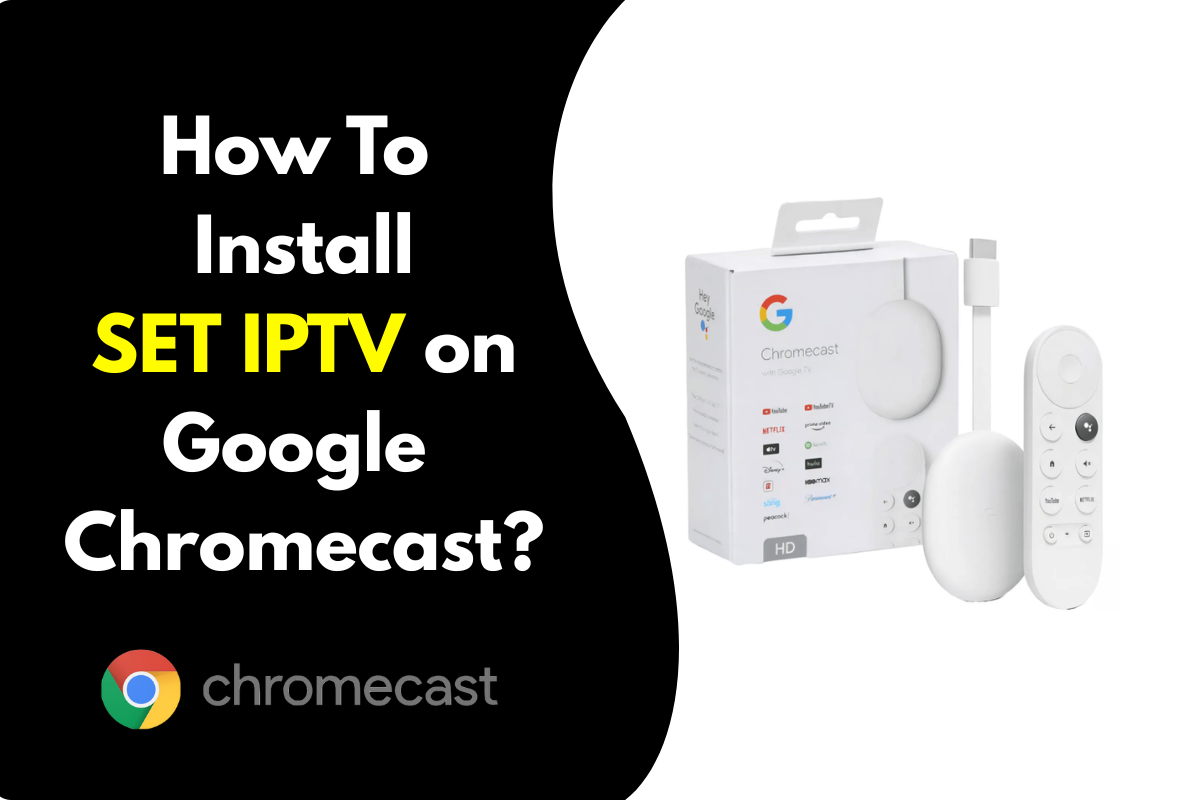
Streaming your favorite channels and on-demand content has never been easier, especially when you combine the power of SET IPTV with Google Chromecast or Google TV. Whether you’re looking to cut the cord from traditional cable or simply want more control over your viewing experience, SET IPTV offers a flexible, user-friendly solution that transforms how you consume entertainment. This comprehensive guide walks you through every step of installing SET IPTV on your Google devices, ensuring you can start streaming within minutes.
For tech enthusiasts and beginners alike, the installation process might seem daunting at first. However, with the right guidance and a clear understanding of the requirements, you’ll discover that setting up SET IPTV on Google Chromecast and Google TV is remarkably straightforward. This tutorial addresses common pain points, provides troubleshooting tips, and ensures you maximize your streaming experience from day one.
- SET IPTV can be installed on Google TV directly through the Play Store, but Chromecast requires casting from a mobile device
- You’ll need an active IPTV service subscription with your playlist URL or Xtream Codes API credentials
- The installation process takes approximately 10-15 minutes for first-time users
- SET IPTV supports multiple playlist formats including M3U URLs, Xtream Codes, and local files
- Regular updates and proper configuration ensure optimal streaming quality and reliability
Understanding SET IPTV and Its Compatibility with Google Devices
SET IPTV stands out as one of the most versatile IPTV players available today, offering seamless integration with various streaming platforms. Unlike traditional cable services, this application gives you complete control over your content sources, allowing you to load custom playlists and access thousands of channels worldwide. The platform’s compatibility with Google’s ecosystem makes it particularly attractive for users who have invested in Chromecast or Google TV hardware.
Google TV, the successor to Android TV, provides a more intuitive interface and native app support, making it the ideal platform for direct SET IPTV installation. Meanwhile, Google Chromecast devices (particularly older generations without built-in Google TV) require a slightly different approach, relying on casting functionality from your smartphone or tablet. Understanding these distinctions helps you choose the right installation method for your specific device.
According to Google’s official support documentation, Chromecast with Google TV runs on the Android TV operating system, which means it supports direct app installation from the Google Play Store. This fundamental difference separates newer Google TV devices from traditional Chromecast dongles, directly impacting how you’ll install and use your IPTV service.
What You’ll Need Before Starting the Installation
Preparation is crucial for a smooth installation experience. Before diving into the technical steps, gather these essential components to avoid interruptions during setup. First and foremost, you need an active IPTV subscription from a reputable provider. This subscription should provide you with either an M3U playlist URL, Xtream Codes API credentials, or a downloadable playlist file.
Your hardware setup should include:
- A Google Chromecast device (any generation) or Google TV (Chromecast with Google TV, Sony, TCL, or other Google TV-enabled smart TVs)
- A stable internet connection with at least 10 Mbps download speed for standard definition and 25+ Mbps for high-definition streaming
- An Android smartphone or tablet if you’re using a traditional Chromecast without Google TV
- Your Google account credentials for accessing the Play Store
- The SET IPTV app downloaded on your mobile device or ready to install on Google TV
Network stability plays a critical role in IPTV streaming quality. The Federal Communications Commission recommends specific bandwidth requirements for different streaming qualities, and ensuring your connection meets these standards prevents buffering and quality degradation during playback.
Installing SET IPTV on Google TV: The Direct Method
If you own a Chromecast with Google TV or a smart TV running Google TV, you’re in luck—the installation process is remarkably straightforward. This method leverages the native Android TV environment, allowing you to install SET IPTV just like any other application from the Google Play Store.
Step 1: Accessing the Google Play Store
Turn on your Google TV device and navigate to the home screen. Using your remote control, scroll to the Apps tab located in the main menu. From there, select “Search for apps” or directly access the Google Play Store icon. The interface is designed for easy navigation, with categories and search functionality prominently displayed.
If this is your first time accessing the Play Store on your device, you may need to sign in with your Google account. Enter your credentials carefully, as this account will be linked to all future app installations and purchases. For users who prefer alternative IPTV player options for Chromecast, the installation process follows a similar pattern.
Step 2: Downloading and Installing SET IPTV
Once inside the Play Store, use the search function to locate SET IPTV. Type the name carefully into the search bar using your remote’s directional pad or voice search feature. The official SET IPTV application should appear near the top of search results, identifiable by its distinctive logo and developer information.
Click on the Install button and wait for the download to complete. Depending on your internet connection speed, this process typically takes 1-3 minutes. The app size is relatively small (usually under 20MB), ensuring quick installation even on slower connections. Once installed, you’ll see an “Open” button appear, or you can access the app from your Apps menu at any time.
Step 3: Configuring SET IPTV with Your Playlist
Launch SET IPTV for the first time, and you’ll be greeted with a setup wizard designed to streamline the configuration process. The application supports multiple input methods for your IPTV content, including M3U URLs, Xtream Codes API, and local file uploads. Choose the method that corresponds to what your IPTV provider supplied.
For M3U URL configuration:
- Select “Add Playlist” from the main menu
- Choose “URL” as your input method
- Carefully enter or paste your M3U playlist URL provided by your IPTV service
- Assign a memorable name to this playlist for easy identification
- Click “Save” and wait for the channels to load
For Xtream Codes API configuration, you’ll need three pieces of information: the server URL, your username, and your password. These credentials are typically provided in your welcome email from your IPTV provider. Enter each field accurately, as even a single character mistake will prevent successful connection.
Many users wonder about the differences between various IPTV applications. If you’re exploring multiple options, you might also be interested in learning how to activate IBO Player, which offers similar functionality with a different interface approach.
Installing SET IPTV on Traditional Google Chromecast: The Casting Method
Traditional Chromecast devices (generations 1, 2, and 3) don’t run a full Android TV operating system, which means they can’t directly install apps. Instead, these devices rely on casting technology, where your smartphone or tablet acts as the control center and content source. While this adds an extra step, it remains a perfectly viable method for enjoying SET IPTV content on your television.
Preparing Your Mobile Device
Begin by downloading the SET IPTV application from the Google Play Store on your Android smartphone or tablet. iOS users should note that SET IPTV availability on the Apple App Store may vary by region, and alternative casting methods might be necessary. Once downloaded, install the app and open it to begin the setup process.
Ensure your mobile device is connected to the same Wi-Fi network as your Chromecast. This is absolutely critical for the casting function to work properly. Network segmentation or guest networks can prevent device discovery, so verify you’re on the same network before proceeding. You can confirm this in your device’s Wi-Fi settings by checking the network name.
Configuring SET IPTV on Your Mobile Device
Open the SET IPTV app on your mobile device and complete the initial configuration process described earlier. Add your playlist using your preferred method (M3U URL, Xtream Codes, or local file). Take time to explore the interface and test a few channels to ensure your playlist is loading correctly before attempting to cast.
The mobile version of SET IPTV offers additional customization options that enhance your viewing experience. You can organize channels into favorite lists, adjust playback settings, and configure parental controls if needed. These settings will persist when you cast to your television, so configure them according to your preferences.
Casting to Your Chromecast Device
With your playlist loaded and tested, locate the Cast icon within the SET IPTV application. This icon typically appears in the top-right corner of the screen and resembles a rectangle with radiating waves in one corner. Tap this icon to display a list of available casting devices on your network.
Select your Chromecast device from the list. After a brief connection period (usually 3-5 seconds), you should see the SET IPTV interface appear on your television screen. Your mobile device now functions as a remote control, allowing you to browse channels, adjust volume, and control playback. Keep your mobile device nearby throughout your viewing session, as it must remain connected for continuous streaming.
For users who want to compare different casting experiences, exploring IPTV Extreme on Google Chromecast provides an alternative interface with unique features that might better suit your preferences.
Optimizing Your SET IPTV Experience for Better Performance
Installation is only the beginning of your IPTV journey. To ensure the best possible streaming experience, several optimization techniques can dramatically improve performance, reduce buffering, and enhance overall reliability. These adjustments address common pain points that users encounter after initial setup.
Network Optimization Strategies
Your internet connection serves as the foundation for quality IPTV streaming. Wired connections always outperform wireless when possible, so consider using an Ethernet adapter for your Google TV device if you experience frequent buffering. Google sells official Ethernet adapters specifically designed for Chromecast devices, which plug directly into the power supply.
For wireless connections, position your router closer to your streaming device or invest in a mesh Wi-Fi system to eliminate dead zones. According to research from Speedtest Global Index, connection consistency matters as much as raw speed for streaming applications. Fluctuating bandwidth causes more disruption than a slightly slower but stable connection.
Application Settings and Buffer Configuration
Within SET IPTV’s settings menu, you’ll find options to adjust buffer size and playback parameters. Increasing the buffer size (typically measured in seconds or kilobytes) can reduce stuttering at the cost of slightly longer channel-switching times. For most users, a buffer setting between 5-10 seconds provides the optimal balance between responsiveness and stability.
Hardware acceleration settings also impact performance. Enable this feature if your device supports it, as it offloads video processing from the main processor to dedicated graphics hardware. This results in smoother playback, especially for high-definition content, and reduces overall system strain that could affect other background processes.
Playlist Management and Organization
Large playlists containing thousands of channels can slow down app performance and make navigation cumbersome. Consider requesting a streamlined playlist from your IPTV provider that includes only the channels you regularly watch. Alternatively, use SET IPTV’s built-in organization features to create custom categories and favorite lists that simplify channel discovery.
Regular playlist updates ensure you have access to the latest channel lineup and eliminate dead links that waste bandwidth during channel scanning. Most quality IPTV services update their playlists automatically, but manual refresh options allow you to force updates when you notice missing channels or connection issues.
If you’re considering dedicated hardware for IPTV streaming, reviewing the top IPTV boxes on the market can help you understand whether a specialized device might better serve your needs compared to Google’s ecosystem.
Troubleshooting Common Installation and Streaming Issues
Even with careful attention to detail, you may encounter obstacles during installation or regular use. Understanding common issues and their solutions empowers you to resolve problems quickly without frustration. These troubleshooting steps address the most frequently reported concerns from SET IPTV users.
Playlist Loading Failures
If your playlist refuses to load or displays an error message, verify that you’ve entered the URL or credentials exactly as provided by your IPTV service. Extra spaces, incorrect protocols (http vs. https), or copy-paste errors account for the majority of loading failures. Try manually typing the information rather than copying and pasting if problems persist.
Some IPTV providers implement authentication systems that restrict playlist access to specific IP addresses or geographic regions. Contact your provider if you suspect access restrictions, as they may need to whitelist your location or provide alternative connection methods. Using a VPN can sometimes resolve geo-restriction issues, though this may violate your provider’s terms of service.
Buffering and Playback Interruptions
Constant buffering indicates insufficient bandwidth or network congestion. Test your internet speed using services like Fast.com or Speedtest to confirm your connection meets minimum requirements. If speeds are adequate, try streaming during off-peak hours to determine whether ISP throttling affects your connection.
Buffering can also result from server-side issues beyond your control. Quality IPTV providers maintain multiple server locations and automatically route traffic to the optimal server. However, during high-traffic events (major sporting events, season premieres), even robust servers may struggle. Patience during these brief periods typically resolves the issue as traffic redistributes.
Audio-Video Synchronization Problems
Lip-sync issues where audio doesn’t match video can stem from incorrect decoder settings or hardware limitations. Within SET IPTV’s advanced settings, experiment with different decoder options (software vs. hardware decoding) to find the combination that works best for your device. Hardware decoding typically offers better performance, but older devices may achieve better synchronization with software decoding.
For users exploring multiple IPTV platforms and players, understanding the differences between installation processes helps identify whether issues are device-specific or application-related. Comparing your experience with guides on installing Net IPTV on Smart TV can provide valuable perspective on common challenges across different platforms.
Enhancing Your IPTV Setup with Professional Solutions
While SET IPTV provides excellent functionality for personal streaming needs, users who demand consistent performance, extensive channel selection, and reliable customer support often benefit from partnering with established IPTV service providers. Professional services eliminate the trial-and-error process of finding working playlists and ensure access to regularly updated content libraries.
Premium IPTV providers offer several advantages over free or low-cost alternatives. These include guaranteed uptime percentages, dedicated customer support channels, multiple server locations for optimal routing, and regular content updates that add new channels and remove dead links. The peace of mind provided by professional services allows you to focus on enjoying content rather than troubleshooting technical issues.
Additionally, reputable providers implement proper licensing agreements and content distribution rights, protecting you from potential legal complications associated with unauthorized streaming sources. While the technology itself is neutral, the content sources you access through that technology carry legal implications that shouldn’t be ignored.
Frequently Asked Questions
Q: Can I use SET IPTV on Google Chromecast without a subscription?
A: The SET IPTV application itself is free to download and install, but you’ll need an active IPTV service subscription to access content. The app is simply a player that displays streams from your provider’s servers. Without a subscription providing playlist credentials, the application will function but have no content to display.
Q: Why does my SET IPTV keep buffering even with fast internet?
A: Buffering can result from multiple factors beyond your internet speed, including server congestion on your IPTV provider’s end, network interference, incorrect buffer settings, or ISP throttling of streaming traffic. Try adjusting your buffer size in SET IPTV settings, testing different servers if your provider offers multiple options, or using a VPN to bypass potential ISP throttling.
Q: Is SET IPTV better than other IPTV players for Google devices?
A: SET IPTV offers a clean, user-friendly interface with strong Google TV integration, making it an excellent choice for Google ecosystems. However, “better” depends on your specific needs. Some users prefer alternatives like TiviMate for advanced EPG features or IPTV Extreme for customization options. The best approach is testing multiple players to find which interface and feature set aligns with your preferences.
Q: Can I install SET IPTV on multiple Google devices with one subscription?
A: The SET IPTV app can be installed on as many devices as you want, but your IPTV service subscription determines how many simultaneous connections are allowed. Most providers offer packages with 1-5 concurrent streams. Installing the app on multiple devices is fine, but attempting to stream on more devices simultaneously than your subscription allows will result in connection errors or automatic disconnections.
Conclusion
Installing SET IPTV on Google Chromecast and Google TV opens up a world of streaming possibilities, giving you control over your entertainment choices without the limitations of traditional cable services. By following this comprehensive guide, you’ve learned not only the technical installation steps but also optimization techniques and troubleshooting strategies that ensure long-term satisfaction with your IPTV TV setup.
Remember that successful IPTV streaming depends on three critical factors: quality hardware (your Google device), reliable software (SET IPTV properly configured), and a trustworthy service provider. While you can control the first two elements directly, choosing the right IPTV service makes the difference between frustration and seamless entertainment.
Ready to experience premium IPTV streaming with professional support and guaranteed reliability? Discover why thousands of users trust our service for their entertainment needs. Start your free 24-hour IPTV trial today and experience the difference that quality service makes in your streaming experience.