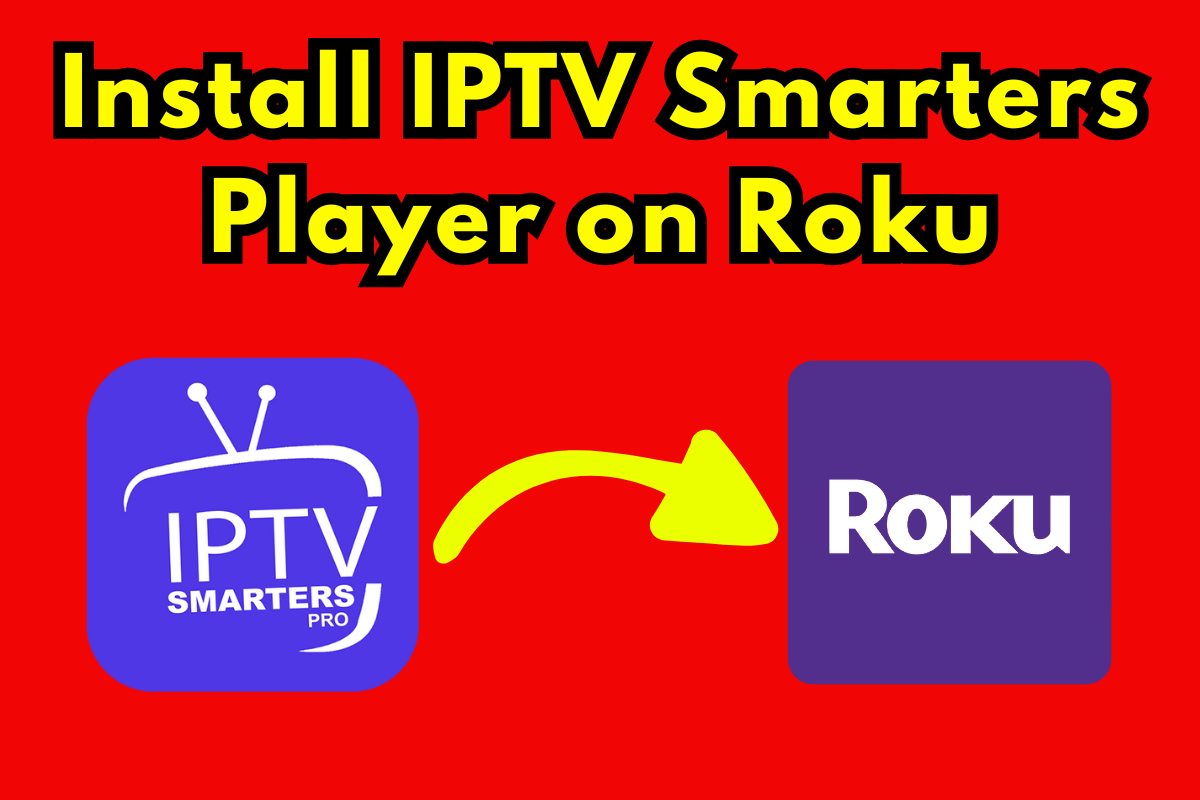
With IPTV (Internet Protocol Television) services revolutionizing how we consume media. If you’re a Roku user eager to access thousands of channels through IPTV Smarters Pro, you’ve likely discovered a frustrating reality: the application isn’t directly available in the Roku Channel Store. This limitation stems from Roku’s closed ecosystem, which restricts sideloading capabilities unlike Android-based devices. However, this doesn’t mean Roku users are completely out of options. Understanding the technical constraints and exploring viable workarounds will help you make informed decisions about accessing IPTV content on your Roku device.
- IPTV Smarters Pro cannot be directly installed on Roku devices due to platform restrictions and the absence of the app in Roku’s official store
- Screen mirroring from Android or iOS devices offers the most practical workaround for streaming IPTV content to Roku
- Alternative solutions include using compatible streaming devices like Amazon FireStick or exploring Roku-native IPTV applications
- Understanding your IPTV service requirements helps determine whether Roku is the optimal device for your streaming needs
- Professional IPTV providers offer dedicated support and compatibility guidance across multiple platforms
Understanding Why IPTV Smarters Pro Isn’t Available on Roku
Before exploring workarounds, it’s essential to understand the fundamental architectural differences between Roku and other streaming platforms. Roku operates on a proprietary operating system that strictly controls which applications can be published to its channel store. Unlike Android TV or Amazon’s Fire OS, Roku doesn’t permit users to sideload third-party applications from external sources.
This closed ecosystem approach provides several advantages for average consumers, including enhanced security, streamlined user experience, and consistent performance standards. However, it creates significant barriers for specialized applications like IPTV player solutions that may not meet Roku’s specific certification requirements or business model preferences.
The IPTV Smarters Pro development team has focused primarily on Android, iOS, and web-based platforms where distribution is more flexible. Creating a Roku-specific version would require substantial development investment, compliance with Roku’s rigorous SDK requirements, and approval through their certification process—challenges that many IPTV application developers haven’t prioritized given the availability of alternative platforms.
Screen Mirroring: Your Primary Workaround for IPTV on Roku
The most straightforward method to access IPTV Smarters Pro content on your Roku involves screen mirroring from a compatible smartphone or tablet. This approach leverages Roku’s built-in casting capabilities, allowing you to display content from your mobile device directly on your television screen.
Setting Up Screen Mirroring from Android Devices
Android users have the most seamless screen mirroring experience with Roku. Here’s a comprehensive step-by-step process:
First, enable screen mirroring on your Roku device: Navigate to Settings > System > Screen Mirroring, then select “Screen Mirroring Mode.” Choose either “Prompt” (which asks for permission each time) or “Always Allow” for trusted devices. The prompt option provides better security if multiple people use your network.
Next, prepare your Android device by accessing the Quick Settings panel (swipe down from the top of your screen). Look for options labeled “Cast,” “Smart View,” “Wireless Display,” or similar terminology—the exact naming varies by manufacturer. Samsung devices typically use “Smart View,” while other Android phones may display “Cast” or “Screen Cast.”
Once you’ve initiated the casting search, your Roku device should appear in the list of available receivers. Select it, and after a brief connection period (typically 5-10 seconds), your Android screen will mirror to your television. Now simply open IPTV Smarters Pro on your mobile device, and the content will display on your larger screen.
Important performance consideration: Screen mirroring quality depends heavily on your WiFi network strength and bandwidth. For optimal results, ensure both your Roku device and Android phone connect to a 5GHz WiFi network rather than 2.4GHz, as this provides significantly better throughput and reduces latency issues that can cause stuttering or lag.
Screen Mirroring from iOS Devices (iPhone and iPad)
Apple device users face slightly more restrictions, but screen mirroring remains possible with proper setup. The process requires enabling AirPlay functionality on your Roku, which is supported on most Roku models manufactured after 2016 (Roku Express, Streaming Stick, Ultra, and TV models).
To enable AirPlay on Roku, navigate to Settings > Apple AirPlay and HomeKit > AirPlay. Set this to “On” and configure whether you want to require a code for first-time connections. This security feature helps prevent unauthorized casting from nearby devices.
On your iPhone or iPad, open the Control Center by swiping down from the upper-right corner (iPhone X and later) or swiping up from the bottom (older models). Tap “Screen Mirroring” and select your Roku device from the available options. After the initial pairing, your iOS screen will display on your television.
Launch IPTV Smarters Pro on your iOS device, and the content will stream through the AirPlay connection to your Roku. Note that iOS screen mirroring typically consumes more battery than Android casting, so consider keeping your device plugged in during extended viewing sessions.
Exploring Alternative IPTV Solutions for Roku Users
While screen mirroring works functionally, it’s not an ideal long-term solution for several reasons: it drains your mobile device battery, requires your phone to remain active throughout viewing, and doesn’t provide the native app experience that dedicated streaming devices offer.
Roku-Compatible IPTV Applications
Several IPTV service providers have developed Roku-specific applications available through the official channel store. These native apps deliver superior performance compared to screen mirroring because they’re optimized specifically for Roku’s hardware and software architecture.
Popular Roku-native IPTV options include M3U Playlist Player, IPTV Player, and certain provider-specific applications. These apps typically require you to input M3U playlist URLs or Xtream Codes API credentials provided by your IPTV service subscription. The user interface may differ from IPTV Smarters Pro, but the core functionality—accessing live channels and on-demand content—remains consistent.
When evaluating Roku-compatible IPTV applications, prioritize those with regular updates, positive user reviews, and responsive developer support. The streaming technology landscape evolves rapidly, and abandoned applications quickly become incompatible with newer content formats or security protocols.
Considering Alternative Streaming Hardware
If IPTV represents a significant portion of your streaming consumption, investing in a more flexible streaming device might prove worthwhile. Android-based platforms like the Amazon FireStick 4K or Google Chromecast with Google TV offer native IPTV Smarters Pro installation through their respective app stores.
These devices provide several advantages for IPTV enthusiasts: direct app installation without workarounds, superior codec support for various streaming formats, and broader compatibility with VPN applications for privacy-conscious users. The Amazon FireStick 4K, in particular, has become the preferred IPTV box for many users due to its balance of performance, affordability, and ease of use.
Many households maintain multiple streaming devices connected to different televisions or use HDMI switchers to alternate between devices on a single TV. This approach allows you to leverage Roku’s excellent interface for mainstream streaming services like Netflix and Disney+ while switching to a FireStick for IPTV content that requires more flexible app management.
Optimizing Your IPTV Streaming Experience on Roku
Regardless of which workaround method you choose, several optimization strategies will significantly improve your viewing quality and reduce common frustrations associated with IPTV streaming.
Network Infrastructure Considerations
IPTV streaming demands substantially more consistent bandwidth than traditional on-demand services. While Netflix and similar platforms can buffer content several seconds ahead, live IPTV channels require continuous, uninterrupted data flow. A minimum internet speed of 25 Mbps is recommended for HD streaming, with 50 Mbps or higher strongly advised for 4K content or households with multiple simultaneous streams.
Router placement plays a crucial role in streaming quality. Position your wireless router centrally within your home, elevated off the floor, and away from interference sources like microwave ovens, cordless phones, or thick walls. If your Roku device is located far from your router, consider investing in a mesh WiFi system to eliminate dead zones and ensure consistent signal strength.
For the absolute best performance, wired Ethernet connections eliminate WiFi variability entirely. Many Roku models include Ethernet ports, and even wireless-only models like the Roku Streaming Stick can utilize Ethernet through USB adapters designed for this purpose.
Managing IPTV Service Quality
Not all IPTV providers deliver equivalent performance, and service quality directly impacts your viewing experience regardless of hardware capabilities. Professional IPTV services maintain robust server infrastructure with multiple redundant streams, automatic failover capabilities, and content delivery networks that optimize routing based on your geographic location.
When evaluating IPTV providers, prioritize those offering trial periods that allow you to test service quality with your specific setup. A free IPTV trial provides invaluable insight into real-world performance, channel availability, stream stability, and customer support responsiveness before committing to a subscription.
Key quality indicators to assess during trial periods include: buffering frequency, channel switching speed, electronic program guide (EPG) accuracy, video-on-demand library depth, and availability during peak evening hours when server load is highest. A provider that performs well during these stress periods will deliver consistently throughout your subscription.
Security and Privacy Considerations for IPTV on Roku
IPTV streaming raises legitimate privacy and security questions that responsible users should address proactively. Understanding these considerations helps protect your personal information and ensures compliance with applicable regulations in your jurisdiction.
VPN Usage with Roku Devices
Unlike Android-based streaming devices, Roku doesn’t support native VPN applications. This limitation means you cannot install a VPN client directly on the Roku device itself. However, you can still protect your IPTV streaming traffic through router-level VPN configuration.
Many modern routers support VPN client functionality, allowing you to route all connected devices—including your Roku—through an encrypted VPN tunnel. Alternatively, virtual router solutions enable you to share a VPN-protected connection from a Windows or Mac computer to your Roku device via WiFi hotspot functionality.
When selecting a VPN provider for IPTV streaming, prioritize services with robust server networks, unlimited bandwidth, and optimized protocols for streaming. Budget VPN services often throttle bandwidth or maintain overcrowded servers that introduce buffering issues worse than streaming without VPN protection.
Legitimate IPTV Services vs. Unauthorized Content
The IPTV landscape includes both legitimate services operating with proper content licensing and unauthorized providers redistributing copyrighted material without permission. Understanding this distinction is critical for making informed, legal choices about your streaming consumption.
Legitimate IPTV services typically offer transparent business information, clear terms of service, verifiable customer support channels, and pricing structures that reflect the costs of content licensing. They may also limit geographic availability based on regional broadcasting rights, which, while inconvenient, indicates proper licensing compliance.
Professional providers invest in infrastructure reliability, customer support systems, and ongoing service improvements because they operate sustainable business models rather than temporary operations designed to avoid legal consequences. When researching IPTV options, verify provider legitimacy through independent review platforms and community forums where users share authentic experiences.
Troubleshooting Common Issues with IPTV on Roku
Even with proper setup, you may occasionally encounter technical challenges that disrupt your viewing experience. Understanding common issues and their solutions saves frustration and reduces reliance on customer support for routine problems.
Screen Mirroring Connection Problems
If your Android or iOS device fails to detect your Roku during screen mirroring setup, several factors might be responsible. First, verify that both devices connect to the same WiFi network—screen mirroring doesn’t function across different networks or between 2.4GHz and 5GHz bands on some router configurations.
Network isolation features, often labeled “AP Isolation” or “Client Isolation” in router settings, prevent devices on the same network from communicating with each other. This security feature, while useful for public networks, blocks screen mirroring functionality. Disable this feature in your router’s wireless settings if screen mirroring remains unavailable after confirming network consistency.
Older Roku models may require firmware updates to support modern screen mirroring protocols. Navigate to Settings > System > System Update > Check Now to ensure your Roku runs the latest software version. Similarly, outdated mobile device operating systems may lack compatibility with newer casting standards.
Buffering and Playback Quality Issues
Buffering interruptions during IPTV playback typically indicate bandwidth limitations, either from your internet connection or the IPTV service’s server capacity. Run speed tests at Speedtest.net during the same time you experience buffering to determine whether your connection meets minimum requirements.
If speed tests show adequate bandwidth but buffering persists, the issue likely resides with the IPTV provider’s infrastructure. Professional services maintain service status pages or support channels that communicate known issues and estimated resolution times. Persistent buffering across multiple channels and time periods often indicates systematic server problems that individual troubleshooting cannot resolve.
When using screen mirroring specifically, reduce strain on your network by closing unnecessary applications on your mobile device, disabling background synchronization, and minimizing the physical distance between your casting device and router. These adjustments reduce latency and improve the reliability of the wireless connection carrying your stream.
Frequently Asked Questions
Q: Can I install IPTV Smarters Pro directly on my Roku device?
A: No, IPTV Smarters Pro is not available in the Roku Channel Store and cannot be sideloaded due to Roku’s closed operating system. The most practical approach involves screen mirroring from Android or iOS devices, or using alternative Roku-compatible IPTV applications available in the official store.
Q: Will screen mirroring reduce video quality when streaming IPTV to Roku?
A: Screen mirroring can maintain original video quality if your WiFi network provides sufficient bandwidth and minimal interference. Using 5GHz WiFi connections rather than 2.4GHz significantly improves quality. However, native applications on alternative devices like FireStick typically deliver superior performance compared to mirrored content.
Q: What’s the best alternative to Roku for IPTV streaming?
A: Amazon FireStick 4K and Google Chromecast with Google TV are excellent alternatives for IPTV enthusiasts, offering native IPTV Smarters Pro installation, broader codec support, and integrated VPN capabilities. These Android-based platforms provide greater flexibility while maintaining user-friendly interfaces comparable to Roku.
Q: Do I need a VPN for IPTV streaming on Roku?
A: While not technically required, VPN usage is strongly recommended for privacy protection and potential ISP throttling prevention. Since Roku doesn’t support native VPN apps, you’ll need to configure VPN protection at the router level or through virtual router solutions to encrypt your IPTV streaming traffic.
Conclusion
While Roku’s ecosystem limitations prevent direct installation of IPTV Smarters Pro, understanding the available workarounds empowers you to access IPTV content effectively. Screen mirroring provides an immediate solution for existing Roku owners, though users with substantial IPTV consumption may find dedicated Android-based streaming devices offer superior long-term experiences.
The key to successful IPTV streaming extends beyond device selection—choosing a reliable, professional service provider determines whether you enjoy consistent entertainment or face constant technical frustrations. Quality infrastructure, responsive support, and transparent business practices distinguish premium services from problematic alternatives.
Whether you continue using Roku with screen mirroring or explore alternative streaming hardware, testing services before committing ensures compatibility with your specific setup and usage patterns. Ready to experience the difference a professional IPTV service makes? Start your free 24h trial today and discover seamless streaming across all your devices.