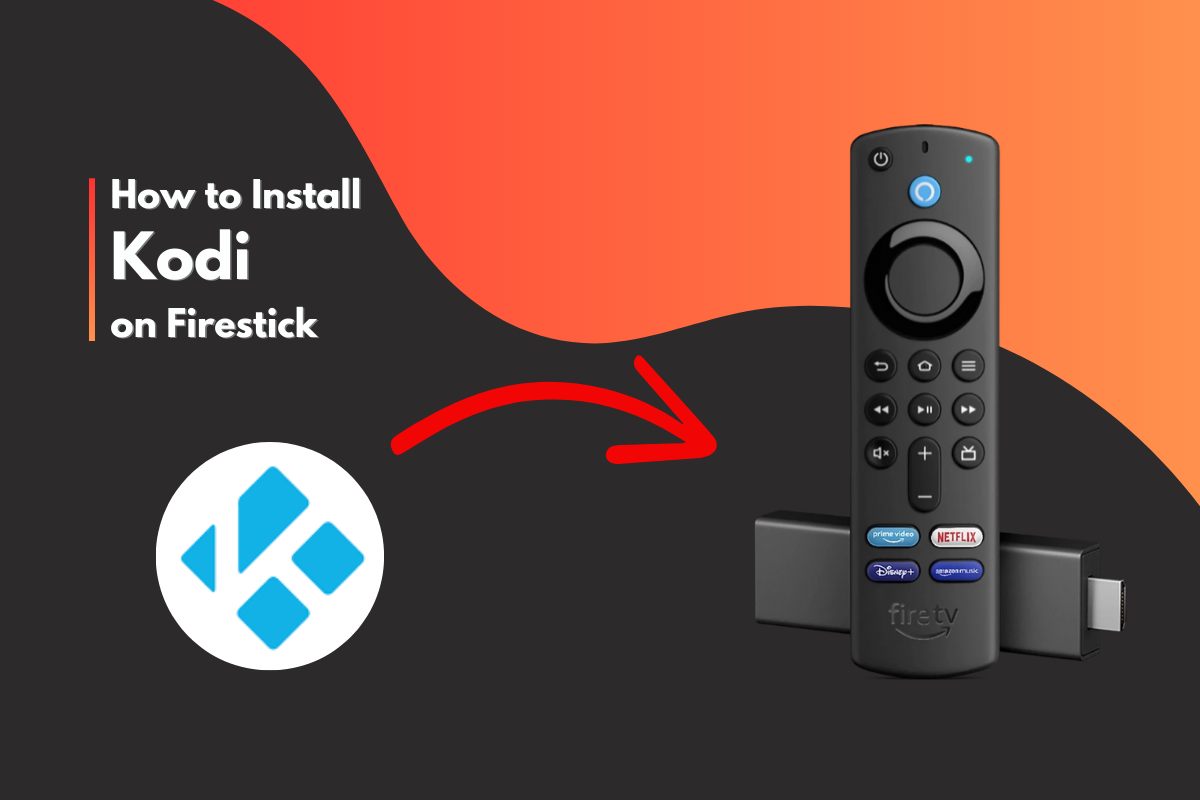
Streaming enthusiasts worldwide know that Kodi transforms an Amazon Firestick into a powerful entertainment hub, unlocking thousands of channels, movies, and on-demand content. Yet many users struggle with the installation process, worried about technical complexity or making costly mistakes. The truth is, installing Kodi on your Firestick takes less than five minutes when you follow the right steps—no technical expertise required.
This comprehensive guide walks you through every click, every setting adjustment, and every security consideration to get Kodi running flawlessly on your device. Whether you’re setting up your first IPTV Firestick or upgrading your current streaming setup, you’ll discover exactly how to unlock premium content safely and legally.
- Kodi installation on Firestick requires enabling one simple setting and takes under 5 minutes
- The Downloader app serves as your gateway to installing Kodi without complicated procedures
- A VPN protects your streaming activities and prevents ISP throttling during IPTV viewing
- Kodi transforms your Firestick into a versatile IPTV player supporting multiple streaming services
- Proper configuration ensures smooth 4K streaming and access to thousands of international channels
Why Install Kodi on Your IPTV Firestick
The Amazon Firestick represents one of the most affordable streaming devices available, but its true potential emerges when paired with Kodi. This open-source media player converts your basic streaming stick into a comprehensive entertainment system capable of handling virtually any content format.
Kodi’s versatility as an IPTV player stands unmatched in the streaming landscape. Unlike proprietary apps limited to specific services, Kodi accepts countless add-ons, skins, and streaming protocols. You gain access to live television from dozens of countries, sports channels broadcasting in real-time, and movie libraries that rival paid subscription services.
The iptv box market offers numerous alternatives, but the Firestick-Kodi combination delivers exceptional value. Your investment remains minimal while performance matches devices costing three to four times more. The compact form factor means no cluttered entertainment center, and the interface responds quickly to remote commands.
Integration with IPTV services represents Kodi’s strongest advantage. Traditional cable subscriptions lock you into expensive contracts with channels you never watch. Kodi enables selective streaming, where you choose exactly what content matters to your household. Sports enthusiasts access international matches unavailable through local broadcasters, while movie buffs explore foreign cinema that streaming giants overlook.
Essential Preparations Before Installing Kodi
Success begins with proper preparation. Before starting the installation process, verify your Firestick runs Fire OS 5.0 or later. Navigate to Settings > My Fire TV > About to check your current version. Older versions may require system updates before Kodi functions optimally.
Internet connection stability matters significantly during installation and ongoing use. Wired connections through Ethernet adapters provide superior performance compared to Wi-Fi, especially for 4K streaming. If wireless remains your only option, position your router within direct line-of-sight of the Firestick or invest in mesh networking solutions.
Privacy-conscious users should consider best vpn protection before proceeding. Internet service providers increasingly monitor streaming activities, sometimes throttling bandwidth when detecting high data usage. A quality VPN encrypts your connection, preventing ISP interference while protecting your digital footprint from unauthorized tracking.
Storage space occasionally becomes problematic on base-model Firesticks with limited internal memory. Kodi itself occupies approximately 250MB, but add-ons and cached content quickly consume additional space. Consider these storage optimization steps:
- Remove unused Amazon apps to free internal storage
- Clear app caches regularly through Firestick settings
- Invest in expandable storage if you plan extensive add-on installations
- Disable automatic app updates to control storage consumption
Step-by-Step: Installing Kodi on Firestick in Under 5 Minutes
The installation process follows a straightforward path that even complete beginners master quickly. Each step builds logically on the previous one, eliminating confusion that plagues poorly-written tutorials.
Step 1: Enable Apps from Unknown Sources
Amazon restricts app installations to their official store by default. This security measure protects users from malicious software, but Kodi—despite being completely legitimate—requires sideloading since it’s not available in Amazon’s App Store.
Navigate to your Firestick home screen and select Settings from the top menu. Scroll right to My Fire TV, then choose Developer Options. You’ll see “Apps from Unknown Sources” currently toggled off. Select this option and confirm the warning message that appears. This one-time adjustment permits Kodi installation without compromising your device security when downloading from trusted sources.
Step 2: Download and Launch the Downloader App
Return to the Firestick home screen and select the magnifying glass icon to access search. Type “Downloader” using the on-screen keyboard. The official Downloader app by AFTV news appears in search results—select it and choose Download. This lightweight utility simplifies the sideloading process considerably.
Once installation completes, launch Downloader directly from the search results screen. The app requests permission to access files and media on your device—grant this permission to proceed. You’ll see a simple browser interface with a URL field prominently displayed.
Step 3: Download Kodi Installation File
Click the URL field in Downloader to activate the keyboard. Enter the official Kodi download address: https://kodi.tv/download. The Kodi website loads, displaying download options for various platforms. Scroll down to locate the Android section, as Firestick runs on Android architecture.
Select the ARMV7A (32-bit) version unless you own the Fire TV Cube or 4K Max model, which utilize 64-bit processors. The download begins automatically, typically completing within 60-90 seconds depending on your internet speed. Downloader displays progress through a simple percentage indicator.
Step 4: Install Kodi Application
When the download finishes, Downloader automatically prompts you to install the application. Select Install in the bottom-right corner. The Android installation wizard appears, requesting various permissions necessary for Kodi functionality. Review these permissions briefly, then select Install again to confirm.
Installation typically completes within 15-20 seconds. A confirmation screen appears with two options: Done or Open. Select Done for now, as we’ll access Kodi through the proper interface rather than this installer screen. Downloader asks whether you want to delete the installation file to free storage space—select Delete unless you plan to install Kodi on additional devices.
Step 5: Launch and Configure Kodi
Return to the Firestick home screen and navigate to Settings > Applications > Manage Installed Applications. Scroll through your app list until you locate Kodi—it appears with its distinctive blue square icon. Select Kodi and choose Launch Application.
The first launch takes slightly longer as Kodi initializes its database structure. You’ll see the default Kodi interface appear, featuring a clean, modern design. Take a moment to explore the main menu categories: Movies, TV Shows, Music, Videos, Pictures, and Add-ons. Each category remains empty initially, awaiting your content sources and add-on installations.
For users planning to integrate iptv player functionality, the Add-ons section becomes your primary workspace. This is where you’ll install repositories and extensions that transform Kodi into a comprehensive streaming solution.
Optimizing Kodi Performance on Firestick
Fresh Kodi installations benefit tremendously from performance optimizations. The default settings work adequately for basic use, but streaming enthusiasts discover that targeted adjustments eliminate buffering and improve overall responsiveness.
Hardware acceleration represents the single most impactful setting adjustment. Navigate to Settings > Player > Videos and enable “Allow hardware acceleration – MediaCodec.” This instructs Kodi to utilize your Firestick’s dedicated video processing chip rather than relying solely on the CPU, dramatically reducing processor load during playback.
Cache settings require manual adjustment through the advancedsettings.xml file. While this sounds intimidating, the process involves simple text editing. Access your Firestick file system through a file manager app like ES File Explorer, navigate to Android > data > org.xbmc.kodi > files > .kodi > userdata, and create a new file named “advancedsettings.xml” with these parameters:
- Set video cache to 3 times your available RAM
- Configure buffer mode to 1 for all internet streams
- Set read factor to 4.0 for optimal buffering
Visual quality versus performance represents an ongoing balance. Users with 4K televisions naturally want maximum resolution, but older Firestick models struggle with sustained 4K streaming. Consider limiting resolution to 1080p in Kodi’s player settings if you experience frequent buffering. The visual difference proves negligible on screens smaller than 55 inches when viewed from typical couch distances.
Similar to how you might jailbreak firestick to unlock additional capabilities, optimizing Kodi requires understanding your device’s limitations. The first-generation Firestick, while functional, simply cannot match the performance of newer 4K models. Setting realistic expectations prevents frustration when hardware limitations affect streaming quality.
Setting Up IPTV Services Within Kodi
Kodi’s true power emerges when configured as a comprehensive IPTV TV solution. Unlike standalone IPTV apps limited to specific providers, Kodi accepts virtually any M3U playlist or Xtream Codes API, providing unparalleled flexibility in content sources.
The PVR IPTV Simple Client add-on serves as your gateway to live television integration. Navigate to Add-ons > Download > PVR Clients and locate “PVR IPTV Simple Client” in the list. Install this official Kodi add-on, then access its configuration screen to input your IPTV service credentials.
Most quality IPTV providers supply either M3U URLs or Xtream Codes login information. The configuration process differs slightly depending on which format your provider uses:
For M3U URLs: Select “Remote Path” as your location type, paste your provider’s M3U URL in the designated field, and optionally add the EPG URL for program guide information. Save these settings and restart Kodi to activate live TV functionality.
For Xtream Codes: Many premium services utilize this protocol for enhanced security and features. Input your server URL, username, and password in the appropriate fields. The system automatically retrieves channel lists and EPG data without requiring separate URLs.
The integration process mirrors techniques used when configuring other specialized players. Users familiar with kodi iptv setups on different platforms will recognize the workflow, though Firestick’s interface presents some unique navigation considerations.
Channel organization significantly impacts daily usability. Premium IPTV services often include thousands of channels spanning dozens of countries. Create custom channel groups within Kodi to separate sports from entertainment, separate news from children’s programming, or organize channels by language. This categorization transforms an overwhelming channel list into an intuitive, personalized television experience.
Protecting Your Streaming Activities with VPN Integration
Privacy and security considerations cannot be overstated when streaming content through Kodi. While Kodi itself remains completely legal, your internet service provider may throttle bandwidth when detecting streaming activities, regardless of content legality. VPN protection prevents this interference while safeguarding your digital privacy.
Several VPN providers offer dedicated Firestick applications that work seamlessly alongside Kodi. Installation follows the same process as any Amazon App Store application—search for your chosen VPN, download the official app, and configure it with your subscription credentials.
Always activate your VPN before launching Kodi to ensure complete connection encryption from the moment you begin streaming. Configure your VPN app to connect automatically when your Firestick powers on, eliminating the risk of forgetting this crucial step. Most quality VPN services offer “kill switch” functionality that blocks internet traffic if the VPN connection drops unexpectedly.
Server selection impacts streaming performance more than most users realize. VPN providers operate servers worldwide, but geographic proximity significantly affects connection speed. Select servers within 500-1000 miles of your actual location for optimal performance. Users accessing geo-restricted content obviously need servers in the appropriate countries, but this shouldn’t be your default configuration for general streaming.
The performance overhead from VPN encryption ranges from negligible to significant depending on your base internet speed and VPN quality. High-speed connections above 50 Mbps rarely notice performance impacts, while budget internet plans may require VPN protocol adjustments. Modern protocols like WireGuard offer excellent security with minimal speed reduction compared to older OpenVPN implementations.
Maintaining and Updating Your Kodi Installation
Regular maintenance ensures your Kodi setup continues performing optimally months and years after initial installation. The open-source nature of Kodi means frequent updates addressing bugs, security vulnerabilities, and performance improvements.
Update checking should occur monthly at minimum. Kodi doesn’t include automatic update functionality on Firestick, requiring manual attention. Visit the official Kodi website periodically to check for new releases, then repeat the Downloader installation process with the updated version. Installing over your existing Kodi preserves your settings, add-ons, and configurations while updating the core application.
Add-on maintenance requires separate attention. Many popular Kodi add-ons receive updates more frequently than the main application. Access Add-ons > My Add-ons and look for update notifications indicated by small arrows next to add-on names. Enable automatic updates in Kodi’s add-on settings to streamline this process, though be aware that automatic updates occasionally introduce compatibility issues requiring troubleshooting.
Database optimization prevents performance degradation over time. Kodi stores viewed status, favorites, and playback positions in SQLite databases that gradually become fragmented. Install a maintenance add-on like “Maintenance Tool” from repositories to automate cache clearing, thumbnail cleanup, and database optimization on a scheduled basis.
Backup strategies protect against catastrophic configuration loss. Invest 10 minutes monthly to backup your Kodi configuration through add-ons like “Backup.” This utility creates complete snapshots of your settings, add-ons, and customizations, storing them to cloud services or local network storage. Recovery from device failures or accidental deletions becomes trivial when recent backups exist.
Exploring Alternative IPTV Players for Firestick
While Kodi excels as a versatile media center, specialized IPTV applications sometimes offer superior experiences for users focused primarily on live television. Understanding these alternatives helps you make informed decisions about your streaming setup.
TiviMate represents the gold standard for dedicated IPTV players on Android devices. Its interface rivals premium cable boxes in polish and responsiveness, with features like picture-in-picture, catch-up TV, and recording capabilities. The learning curve proves gentler than Kodi for users exclusively interested in live television rather than comprehensive media management.
IPTV Smarters Pro offers cross-platform consistency, functioning identically across Firestick, smartphones, and tablets. This uniformity benefits households where multiple family members stream content on different devices. The interface skews toward simplicity rather than advanced customization, making it ideal for less technical users who find Kodi overwhelming.
Comparatively, platforms like iptv service configurations on traditional computers utilize different applications entirely. VLC Media Player dominates desktop streaming, while mobile devices employ purpose-built apps unavailable on Firestick’s Android TV operating system.
The decision between Kodi and specialized IPTV apps ultimately depends on your content priorities. Media enthusiasts managing local video libraries alongside streaming content benefit from Kodi’s comprehensive approach. Viewers focused exclusively on live television and movies from IPTV services often prefer TiviMate’s streamlined interface and reliability.
Troubleshooting Common Kodi Installation Issues
Even following detailed instructions, some users encounter obstacles during installation or initial configuration. Understanding common problems and their solutions prevents frustration and abandoned installations.
“Installation blocked” errors typically indicate the “Apps from Unknown Sources” setting wasn’t properly enabled. Double-check Settings > My Fire TV > Developer Options to verify this toggle shows “On.” Some Firestick models require administrator PIN entry when changing this setting—ensure you have this code available before beginning installation.
Download failures in the Downloader app usually stem from URL typos or network connectivity problems. Verify you entered the Kodi download URL exactly as specified, including proper HTTPS protocol and correct spelling. Test your internet connection by attempting to load other websites in Downloader’s browser. Firewall or router configurations occasionally block downloads from unfamiliar sources—temporarily disabling aggressive security settings may resolve persistent download failures.
Kodi crashes immediately upon launch often result from corrupted installations or insufficient storage space. Navigate to Settings > Applications > Manage Installed Applications > Kodi and select “Clear Cache” followed by “Clear Data.” If crashes persist, completely uninstall Kodi and repeat the installation process, ensuring you have at least 500MB of free storage before beginning.
Add-on installation failures frustrate users attempting to expand Kodi’s functionality beyond basic features. These problems typically trace to repository URLs that have changed or been discontinued. Verify you’re using current repository addresses from the add-on developer’s official website. Community forums like Reddit’s Addons4Kodi provide constantly updated information about working repositories and alternatives when popular sources disappear.
Playback buffering despite adequate internet speeds suggests network configuration problems or ISP throttling. Run speed tests through Speedtest to establish baseline performance, then repeat the test while connected through your VPN. Significant speed differences indicate your ISP implements traffic shaping. Adjust your VPN protocol settings or try different server locations to improve performance. Consider reducing Kodi’s stream quality settings in player options if buffering persists despite connection speeds exceeding 25 Mbps.
Frequently Asked Questions
Q: Is installing Kodi on Firestick legal?
A: Yes, installing Kodi is completely legal. Kodi is open-source software designed for media playback. Legal concerns arise only when users access copyrighted content without permission through third-party add-ons. Using Kodi with legitimate IPTV services or personal media libraries remains entirely legal worldwide.
Q: Will Kodi installation void my Firestick warranty?
A: No, installing Kodi does not void your Amazon Firestick warranty. You’re simply installing software that Amazon permits through the “Apps from Unknown Sources” setting. This differs from hardware modifications that might affect warranty coverage. Your device remains fully supported for hardware defects regardless of installed software.
Q: Can I use Kodi without a VPN?
A: Technically yes, but it’s not recommended. While Kodi itself doesn’t require VPN protection, streaming IPTV content without encryption exposes your activities to ISP monitoring and potential bandwidth throttling. VPN services cost approximately $3-5 monthly and provide significant privacy and performance benefits that justify the small investment.
Q: How often should I update Kodi on my Firestick?
A: Check for Kodi updates every 2-3 months to ensure you have the latest security patches and features. Major version releases occur 2-3 times yearly, while minor updates address bugs more frequently. Join the official Kodi newsletter or follow their blog to receive notifications about important updates requiring immediate attention.
Conclusion
Installing Kodi on your Firestick unlocks entertainment possibilities that traditional streaming services simply cannot match. This five-minute process transforms an affordable streaming device into a comprehensive media center capable of handling virtually any content format, from local video libraries to international live television.
The combination of Kodi’s flexibility and Firestick’s affordability creates exceptional value for cord-cutters and streaming enthusiasts. Whether you’re accessing IPTV services from across the globe, managing personal media collections, or simply seeking an alternative to expensive cable subscriptions, this setup delivers professional-grade functionality at a fraction of traditional costs.
Remember that the installation represents just the beginning of your Kodi journey. Take time to explore add-ons, customize the interface to match your preferences, and optimize settings for your specific hardware and internet connection. The vibrant Kodi community continuously develops new extensions and improvements, ensuring your streaming experience evolves alongside changing entertainment landscapes.
Ready to experience premium IPTV streaming with crystal-clear quality and thousands of channels? Start your IPTV Free Trial today and discover why cord-cutters worldwide trust professional IPTV services for their entertainment needs.